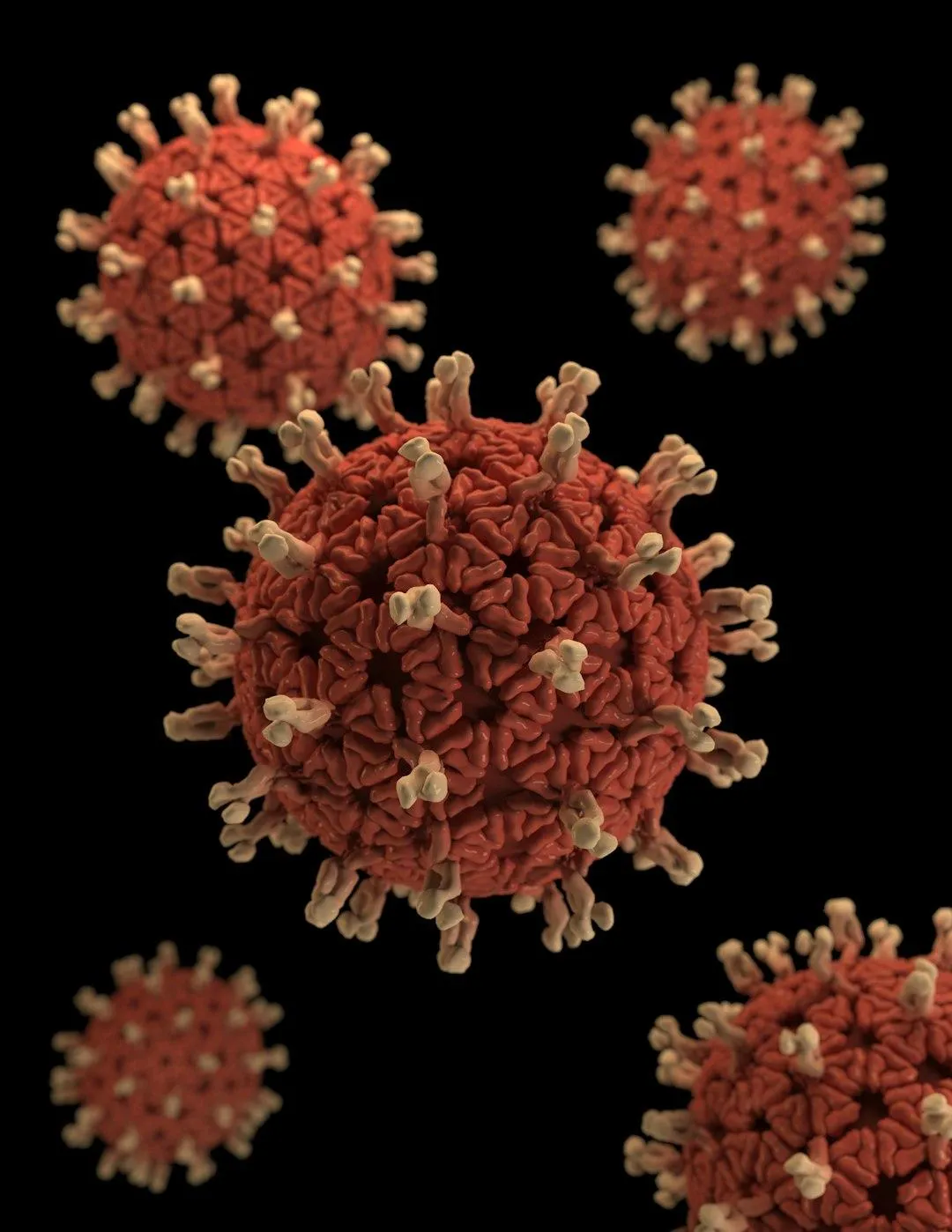
What disinfectant kills norovirus?
What disinfectant kills norovirus?
If you want the honest, no-fluff answer: norovirus requires a disinfectant that is proven effective against it and used with the correct contact time—because norovirus is one of the most stubborn “stomach bug” viruses when it comes to environmental contamination.
There are two reliable categories:
A properly diluted bleach (sodium hypochlorite) solution at the correct strength and contact time (the CDC’s default recommendation). (CDC)
An EPA-registered disinfectant whose label includes norovirus (often listed as “Norovirus / Norwalk virus, tested as Feline Calicivirus”), used exactly per label. (CDC)
Danolyte Disinfectant (anolyte / HOCl) is in category #2. Its EPA label specifically lists “Norovirus or Norwalk Virus (as Feline Calicivirus)” with a 10-minute contact time. (Danolyte Disinfectant | Eco-Friendly)
Why people think they “disinfected”… but didn’t
Here’s the curiosity twist: most failures aren’t product failures—they’re “process failures.”
Norovirus disinfection depends on three non-negotiables:
Clean up visible soil first (vomit/stool dramatically reduces performance). (Nation Institute of Food and Agriculture)
Use a disinfectant that is actually validated for norovirus (bleach, or EPA-registered with norovirus on-label). (CDC)
Keep the surface wet for the full contact time (often minutes, not seconds). (CDC)
Bleach “works,” but it comes with real trade-offs (including carpet and clothes)
The CDC recommends 1,000 to 5,000 ppm chlorine bleach solution for norovirus disinfection (or an EPA-registered product against norovirus). (CDC)
And the USDA/NIFA norovirus cleaning guidance adds an important limitation: apply bleach only to nonporous (hard) surfaces. (Nation Institute of Food and Agriculture)
That limitation is why bleach can be a nightmare for carpet, upholstery, and clothing.
10 “bad things” that can happen when you use bleach (especially for norovirus cleanup)
It can permanently discolor clothes and fabrics (even tiny splashes). Public health guidance warns bleach may damage fabrics/surfaces and suggests spot testing. (Michigan.gov)
It can ruin carpet and upholstery because norovirus bleach guidance is for nonporous surfaces; porous materials don’t behave the same and can be damaged. (Nation Institute of Food and Agriculture)
It can corrode metals (fixtures, hinges, handles) and degrade finishes over repeated use—especially at the higher concentrations used for outbreaks. (CDC)
It can irritate eyes, nose, and throat from fumes/odor, even at lower concentrations. (Virginia Department of Health)
It can trigger breathing problems, especially for people with asthma or other lung disease. (Virginia Department of Health)
It can cause skin irritation—and at higher concentrations, skin burns. (Virginia Department of Health)
It can cause severe eye injury if splashed. (Virginia Department of Health)
It can create toxic gas if mixed with ammonia (chloramines) and can cause serious respiratory symptoms. (Washington State Department of Health)
It can create chlorine gas if mixed with acids (including some toilet bowl cleaners and even vinegar-based products). (Washington State Department of Health)
It’s easy to misuse (wrong dilution, wrong surface, wiping too soon), which can lead to a false sense of security—especially when guidance requires minutes of wet contact time, not a quick wipe. (CDC)
None of this means bleach is “bad.” It means bleach is effective but unforgiving—and in real homes, people understandably want a solution that’s easier to use correctly.
The alternative: Danolyte (anolyte / HOCl) with norovirus on the label
Danolyte Disinfectant’s EPA label includes:
Application to hard, non-porous surfaces at 500 ppm FAC (Danolyte Disinfectant | Eco-Friendly)
10 minutes wet contact time for disinfection (Danolyte Disinfectant | Eco-Friendly)
“Norovirus or Norwalk Virus (as Feline Calicivirus)” listed in the organism table (Danolyte Disinfectant | Eco-Friendly)
And Danolyte’s product listing emphasizes operational benefits many families and facilities care about during “stomach bug season,” including a no-rinse formula for hard surfaces and no harsh chemical residue positioning. (Danolyte)
How to use Danolyte correctly for norovirus-risk surfaces (simple, label-driven)
Remove visible soil first (paper towels, bag waste). (Nation Institute of Food and Agriculture)
Pre-clean the surface (especially if soiled). (Danolyte Disinfectant | Eco-Friendly)
Apply Danolyte to hard, non-porous surfaces. (Danolyte Disinfectant | Eco-Friendly)
Keep the surface wet for 10 minutes (reapply if it starts drying). (Danolyte Disinfectant | Eco-Friendly)
Let air dry (follow label direction). (Danolyte Disinfectant | Eco-Friendly)
Practical decision guide
If you’re disinfecting tile, sealed counters, sinks, toilets, handles: bleach can work—but it’s harsh and must be used precisely. (CDC)
If you want an EPA-registered disinfectant with norovirus listed on the label and a straightforward process: Danolyte Disinfectant (anolyte/HOCl) is a strong fit. (Danolyte Disinfectant | Eco-Friendly)
For carpet, upholstery, and many fabrics: avoid “bleach-first thinking.” Guidance for norovirus bleach use is aimed at nonporous hard surfaces—and bleach can permanently damage textiles. (Nation Institute of Food and Agriculture)
CTA: If you want a norovirus-capable disinfectant without bleach drama
If your goal is “kill-level” disinfection on hard surfaces during stomach-bug season—without risking bleached-out clothes, carpet damage, or harsh fumes—choose an EPA-registered solution with norovirus on-label.
Danolyte Disinfectant is available at Danolyte Global (select the Danolyte Disinfectant product size that fits your use case). (Danolyte)
